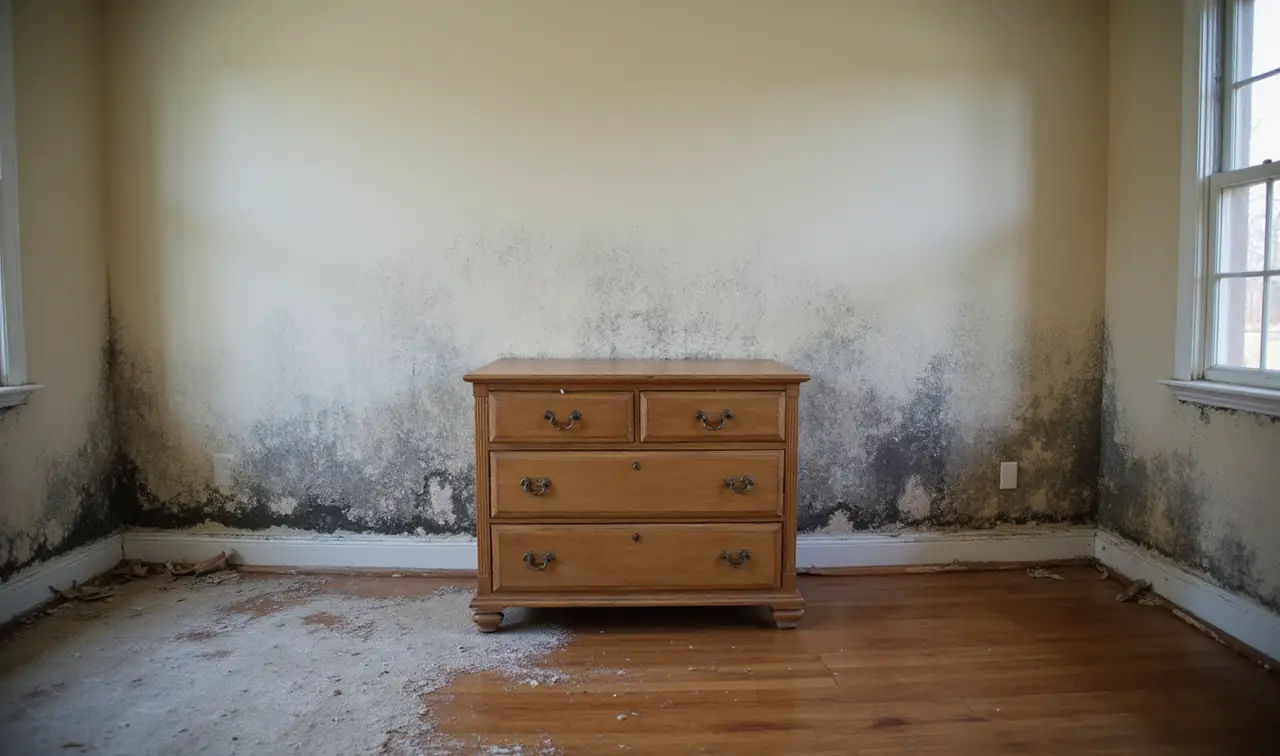
Dark growth on walls, ceilings, grout or wood
Black Mold Removal South Carolina: Call Our Team
Black mold removal in South Carolina starts with an honest look at the moisture and the material it grew on, from drywall to framing, before any cleaning plan.
Phone only, no formsOur local crewsMoisture source first
Call now to speak to a specialist
Call (888) 318-2605What's included
What Black Mold Removal Usually Includes
We define the exact scope for your property. In general, these are the common parts of the job.
Describe it on the call
Tell us what you see or smell and where it is, so we know what we are walking into.
Moisture source first
We look for the water source before cleaning, so mold does not return.
Contained work
Containment and HEPA filtration keep spores out of the rest of the house during removal.
Ask for records
Ask us for moisture readings and photos so you have a record for your insurer.
Service overview
Black Mold Removal in South Carolina Explained
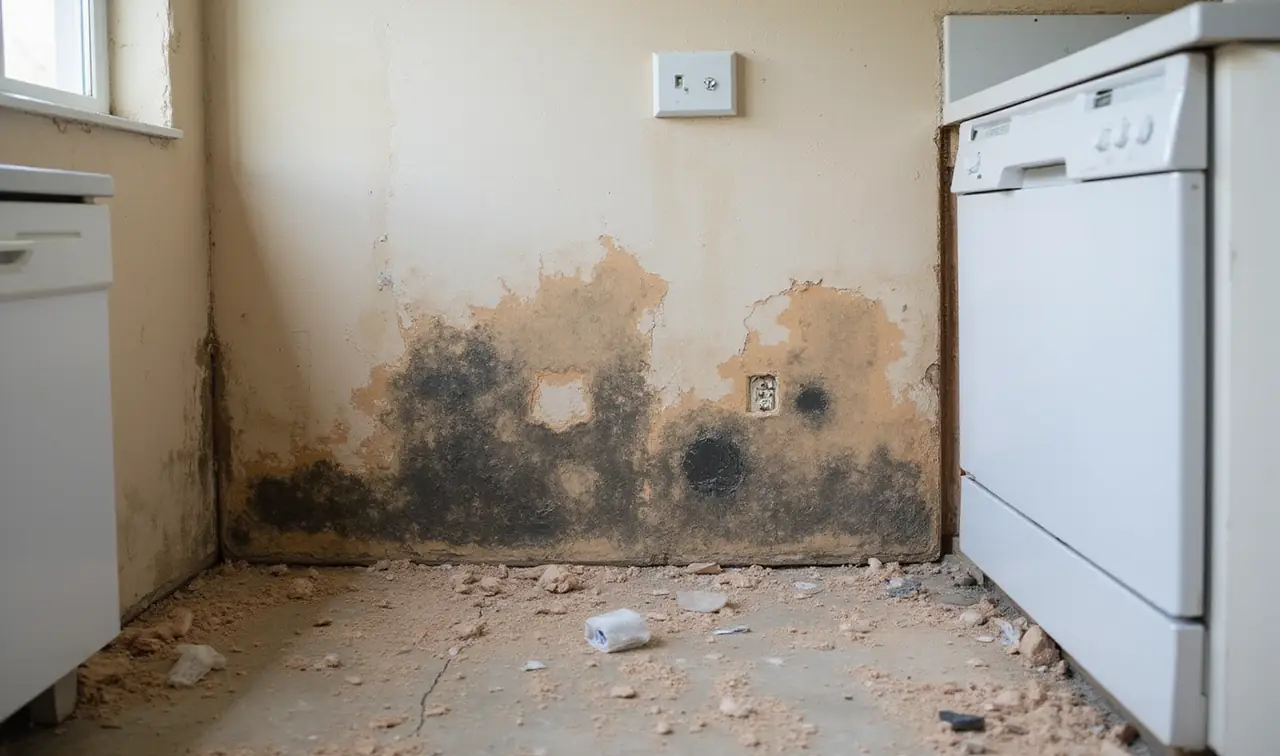
Black mold removal South Carolina households ask about is the process of cleaning or removing dark mold growth from a home after the moisture feeding it is fixed. Color alone does not tell you what kind of mold you have. Dark spots on drywall, grout, wood or a ceiling can be several types, so the response is based on the material, the size of the area and the moisture, not the color.
In South Carolina, humid summers, storms and leaks give dark mold plenty of places to grow, from bathroom ceilings in Columbia to crawl spaces in Charleston. If you searched black mold removal near me, one call reaches our team in your area. For health questions, CDC and SC DES guidance applies, and the state mold hotline is 888-815-3509.
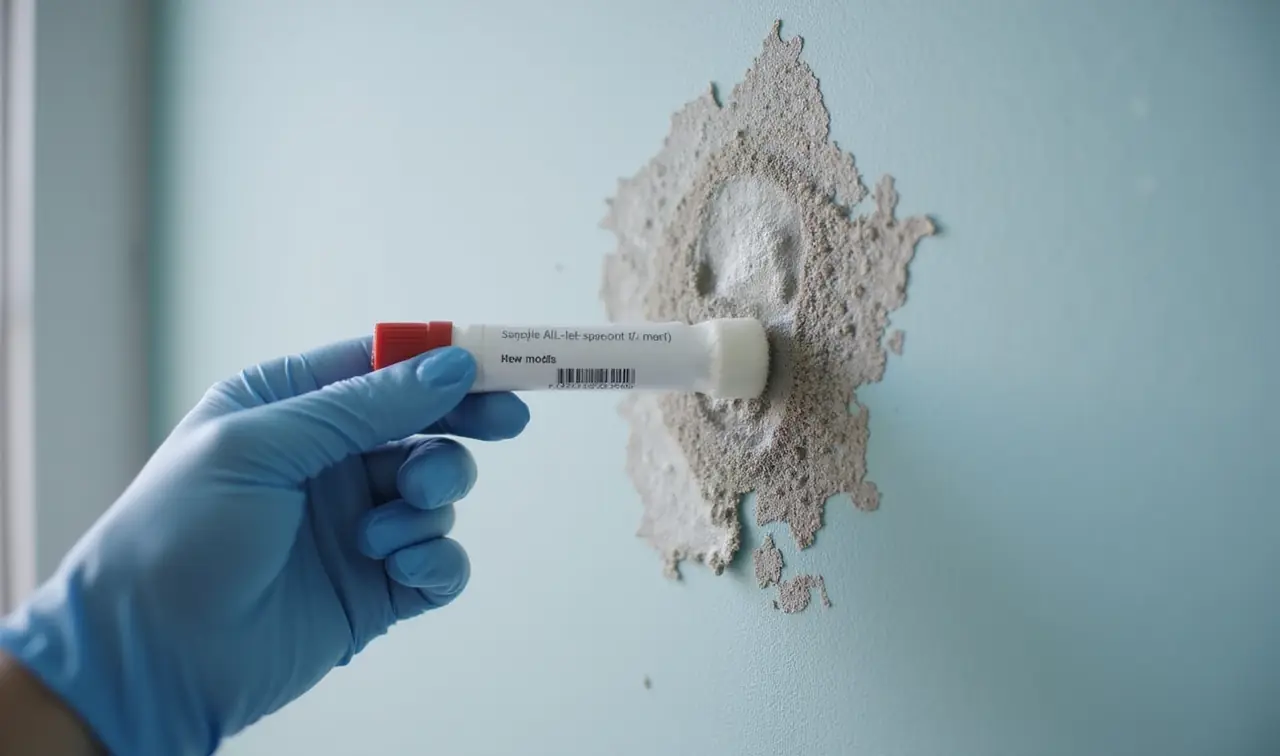
How it worksWe check the cause, explain options and do the work with you.
The service timeline
How Black Mold Removal Works
The process flexes to the condition, but these checkpoints keep decisions clear.
Call and describe
Call (888) 318-2605 and tell us your town and what you see. Our team serves your area.
Inspect and find moisture
We look at the growth, check moisture levels and find the water source.
Contain the work area
Barriers and HEPA filtration isolate the area so spores stay out of clean rooms.
Remove or clean
Affected porous materials are removed and solid surfaces are cleaned, depending on the material and the extent.
Dry and verify
The space is dried and checked. Ask about independent post-remediation testing.
Tools & methods
Tools and Methods Used
Equipment our crews use for this kind of work.
Moisture meters
Find damp materials and confirm drying.
HEPA air scrubbers
Capture airborne particles during removal.
HEPA vacuums
Clean fine particles from surfaces.
Containment barriers
Isolate the work area from clean rooms.
Typical situations
When to Call About Dark Mold
Typical situations callers describe. These are illustrations of common cases, not records of specific jobs.
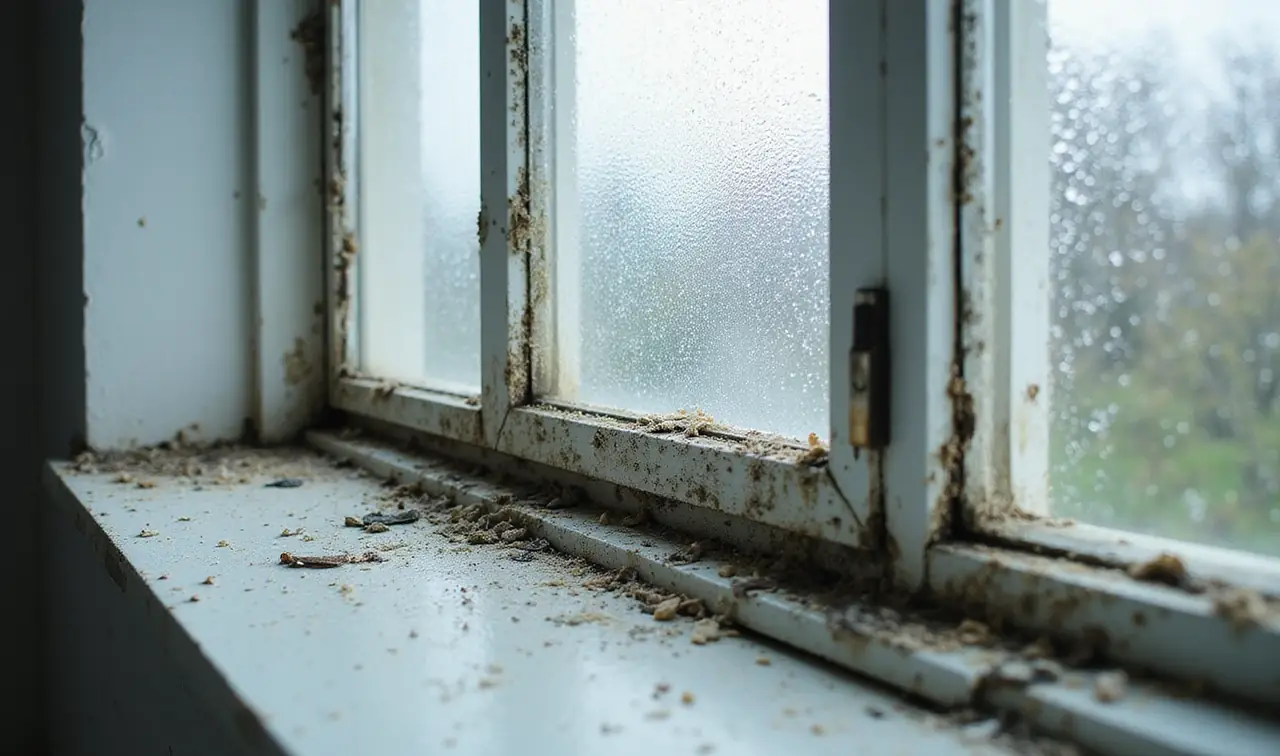
Drywall removed after a leak
A slow leak left dark mold on a bedroom wall. → The leak was fixed and affected drywall removed.
Crawl space wood cleaned
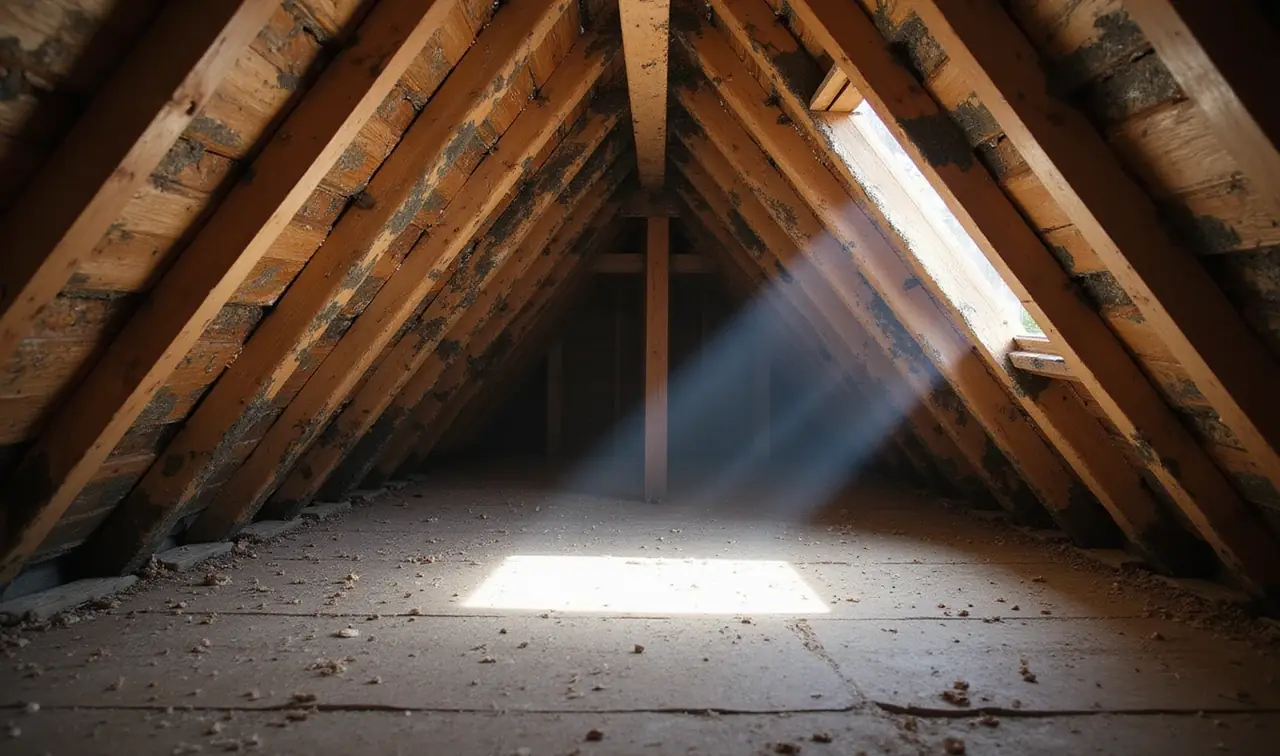
Dark patches appeared on joists after a wet season. → Wood was cleaned and moisture addressed.
Common problems
Dark Mold Problems Addressed
Dark mold appears in many places around South Carolina homes.
Dark spots on a bathroom ceiling that keep coming back
We find the moisture source, such as a weak fan or leak, and clean the area.
Dark growth on drywall after a leak
We dry the area, remove affected drywall and address the leak.
Dark patches on crawl space wood
We clean the wood and help identify the moisture source.
Pricing process
What Affects Black Mold Removal Cost
We explain scope and cost after we inspect your home. We explain scope and cost after we inspect your property. These factors usually drive the scope.
Size of the area
Small spots are very different from growth across multiple rooms.
Materials affected
Porous materials often need removal and replacement.
Moisture source
Fixing a leak adds to scope but helps prevent return.
Is black mold always dangerous?
Color does not tell you what kind of mold it is. For health questions, see CDC and SC DES guidance, call 888-815-3509 and talk to a doctor about symptoms.
Can I remove black mold myself?
The EPA says areas under about 10 square feet can often be cleaned by a homeowner. Larger areas, HVAC contamination, or mold after sewage or flood water usually need a professional.
How fast does black mold grow?
Mold can start growing on wet materials within 24 to 48 hours. Drying quickly after a leak or flood matters.
Does insurance cover black mold removal?
It depends on your policy and the cause. Sudden and accidental water damage is treated differently from long-term leaks. Check your policy and ask your agent.
Related services
Related Services
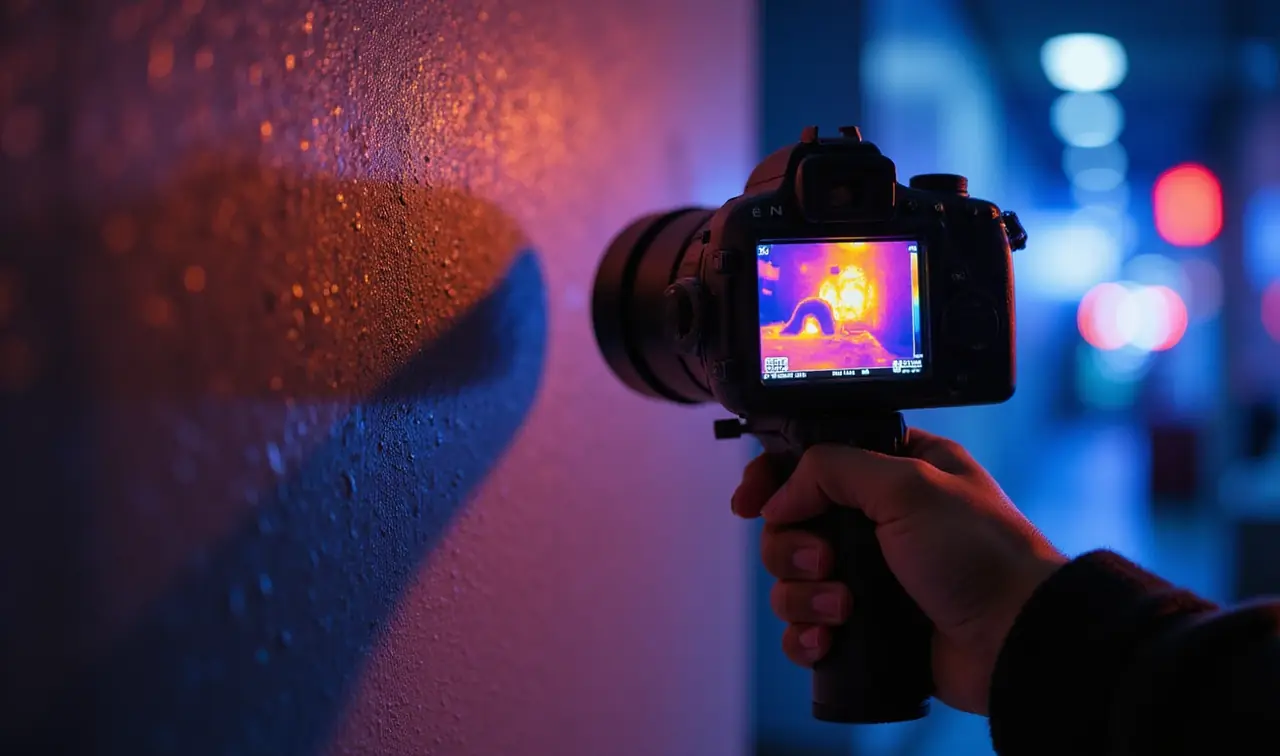
Mold Remediation
The full process of fixing moisture, containing, cleaning and drying, which applies to dark mold as well.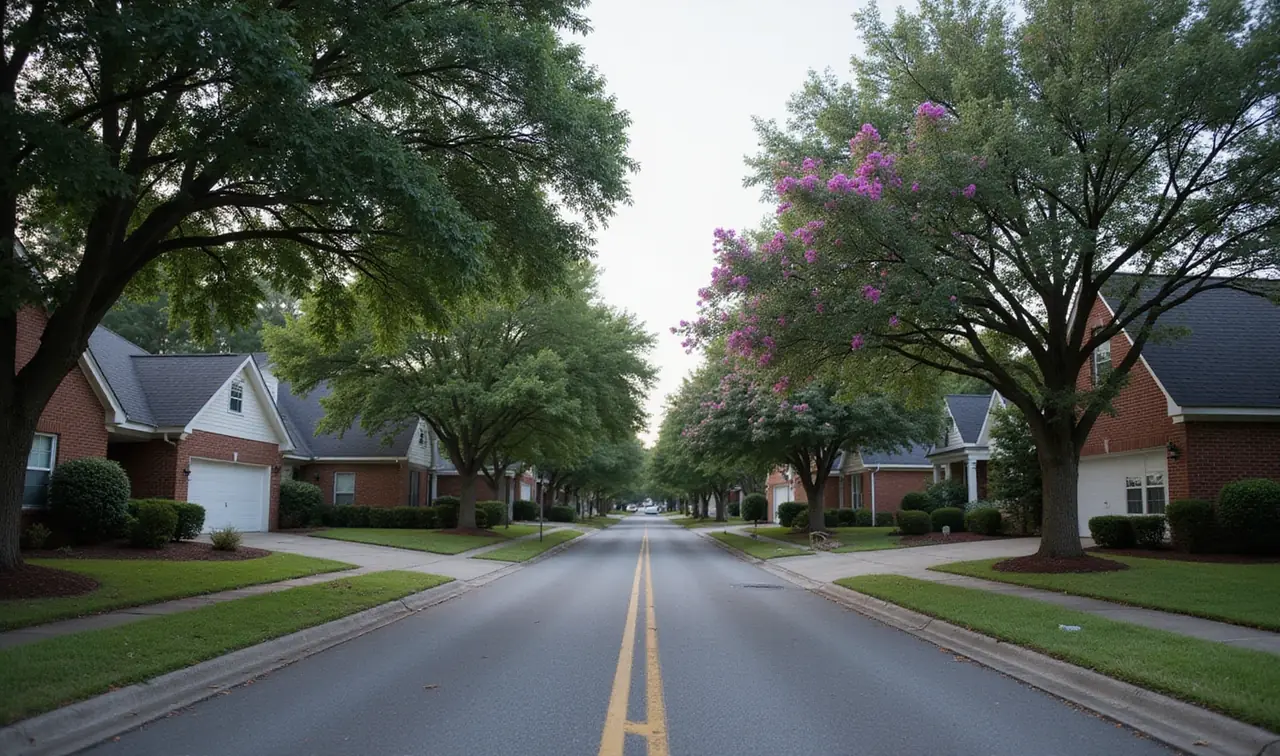
Crawl Space Mold Removal
Dark growth on crawl space wood is common after wet seasons and calls for moisture control.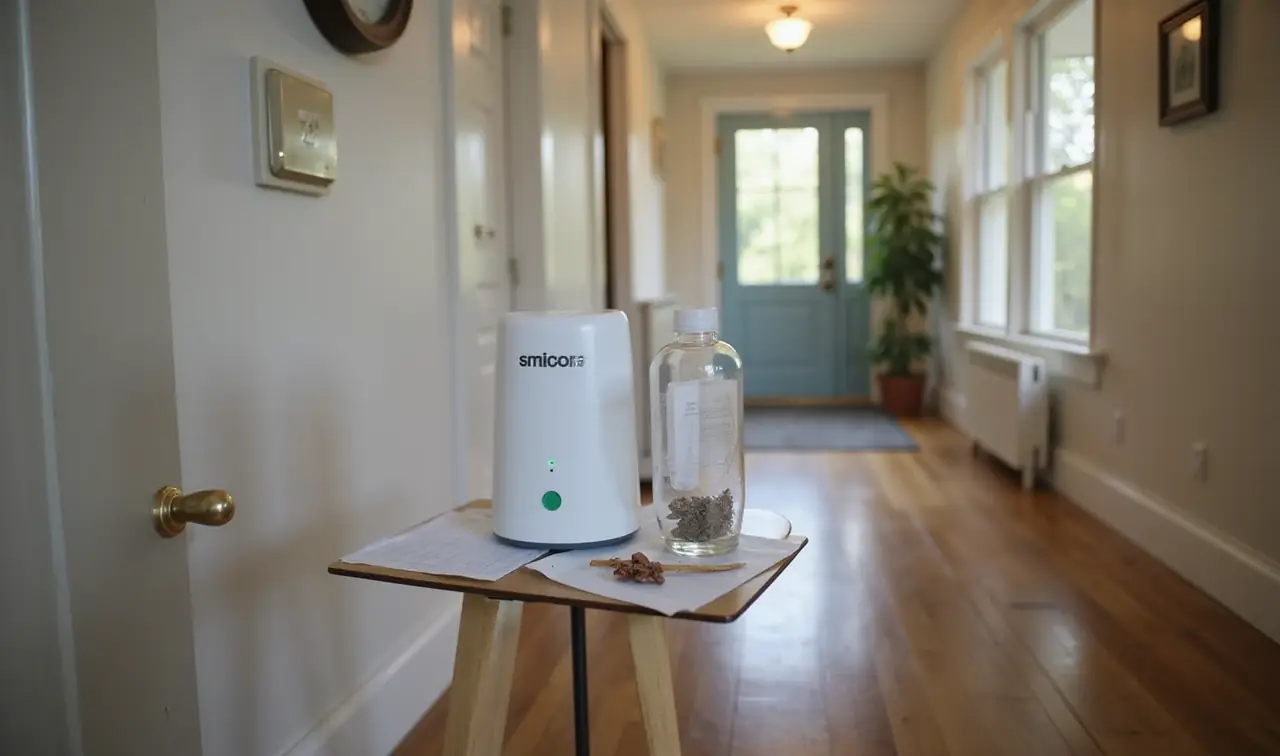
Mold Inspection and Testing
Inspection finds where growth and moisture are, and testing can help answer what is present.Ready when you are
Get Black Mold Removal South Carolina Help
Tell us your town and what you see, and our team serves your area.
Call us
Request Black Mold Removal
Call (888) 318-2605 and tell us your town and what you found. Our mold remediation team serves your area. Call us and our team handles the inspection and the work directly with you.
Call now to speak to a specialist
No forms to fill in. Call (888) 318-2605, describe the mold or moisture you are dealing with and where the home is, and our local mold remediation team serving that part of South Carolina takes it from there.
Call (888) 318-2605